2019
Space for Water
A Floating Workshop for the Bengal Delta
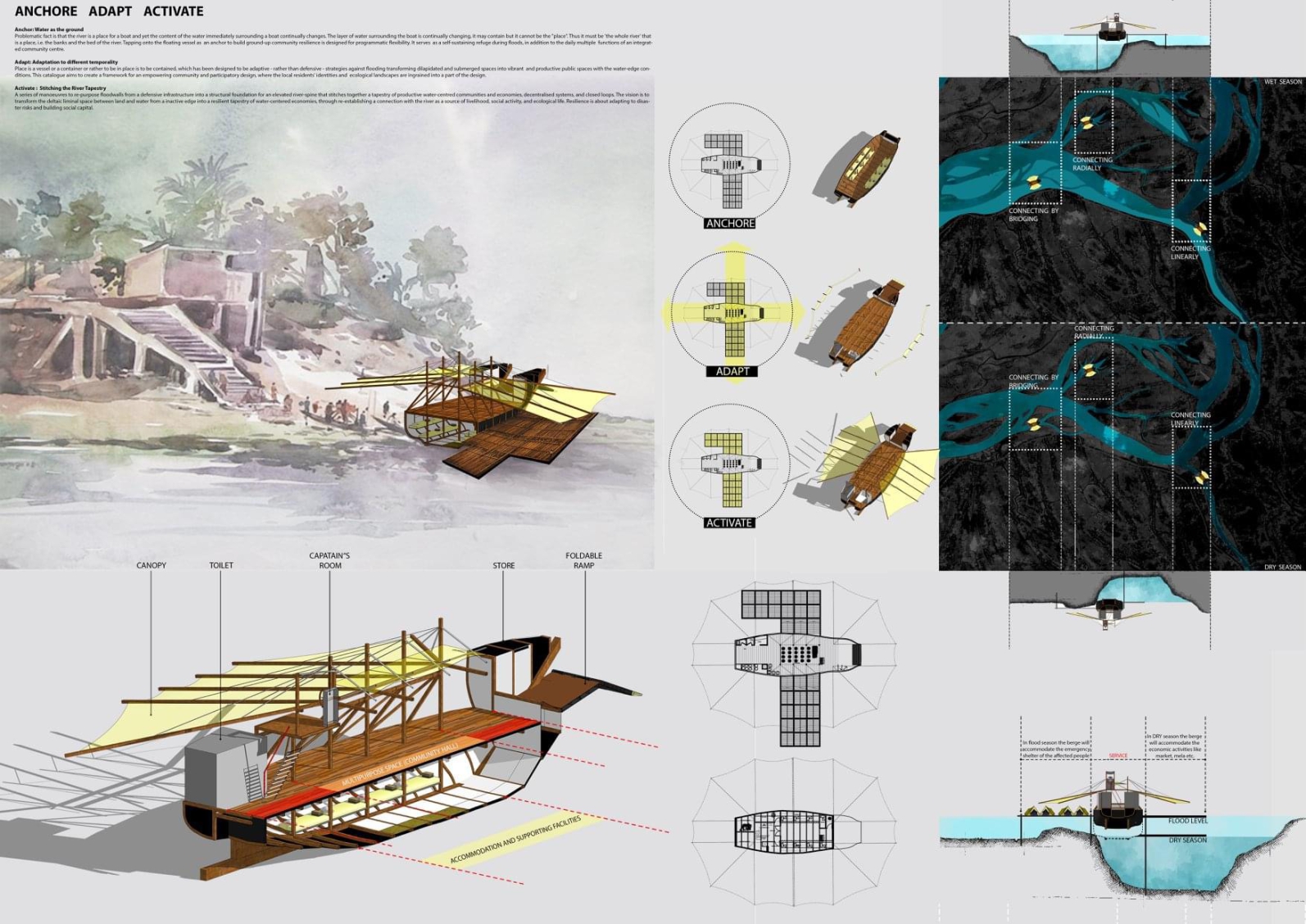
This workshop was designed to challenge conventional perceptions of landscape, particularly regarding the treatment of water in delta regions as a homogeneous void rather than a vibrant, inhabited space. Deltas, characterized by their intricate networks of rivers, wetlands, and estuaries, represent dynamic ecosystems in which land and water continuously interact. These liminal zones are critical for biodiversity and serve as essential sources of life; however, they are often overlooked or relegated to mere backdrops in discussions of exploration and development.
In Western contexts, the sea may symbolize a void to be conquered, while in the Subcontinental psyche, rivers are revered as nurturing entities, referred to as nodi matrik or mother rivers. This workshop sought to explore whether water bodies in delta regions can be understood as inhabited spaces that foster community and ecological resilience.
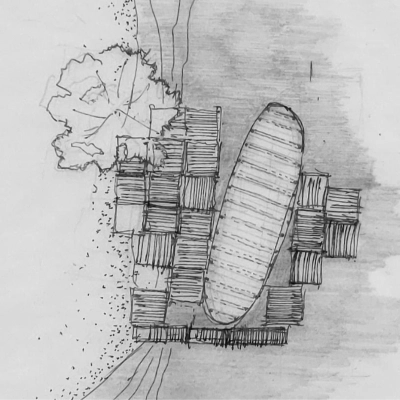
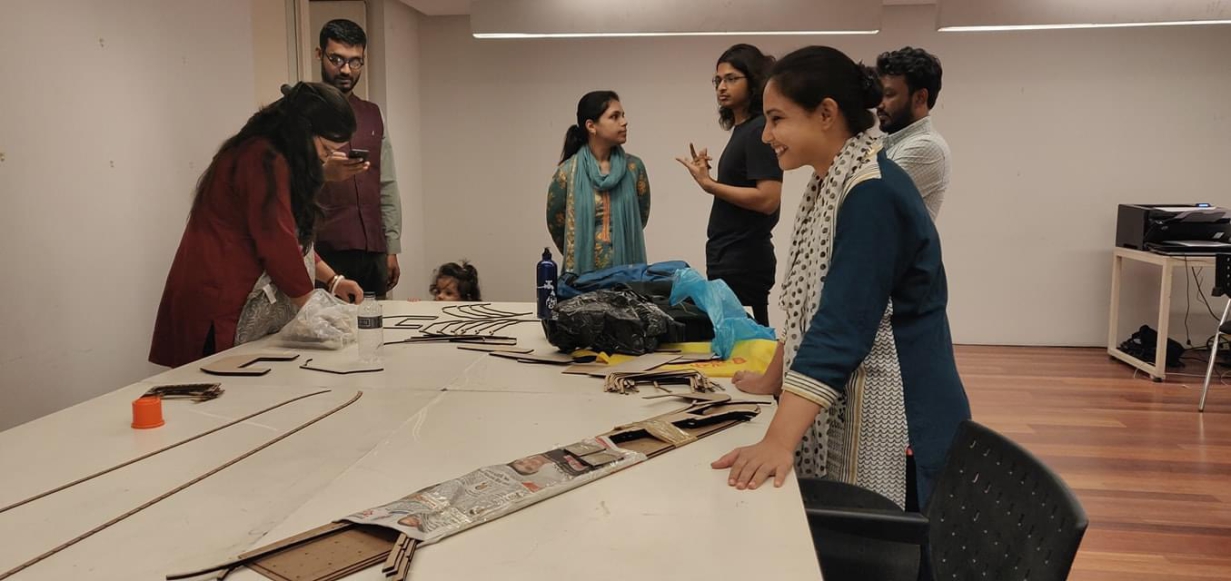
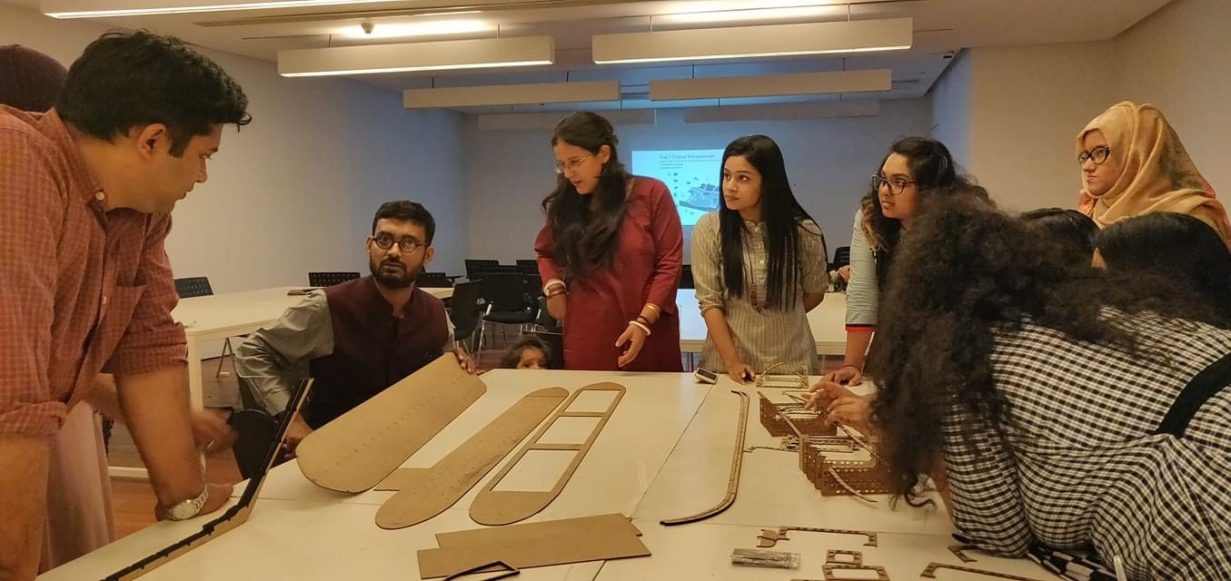
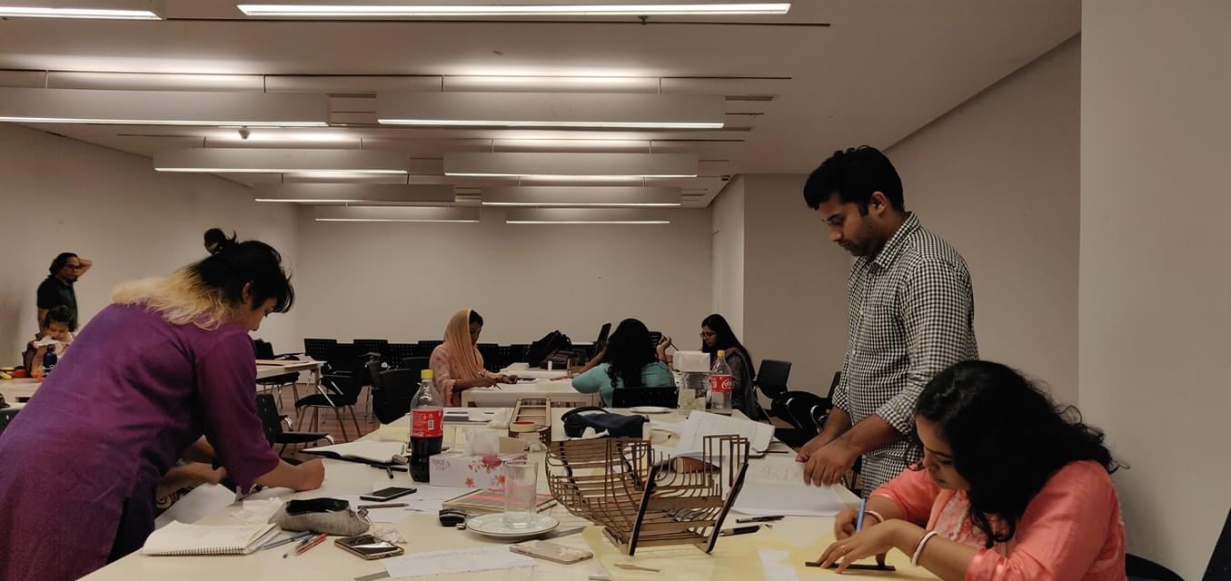
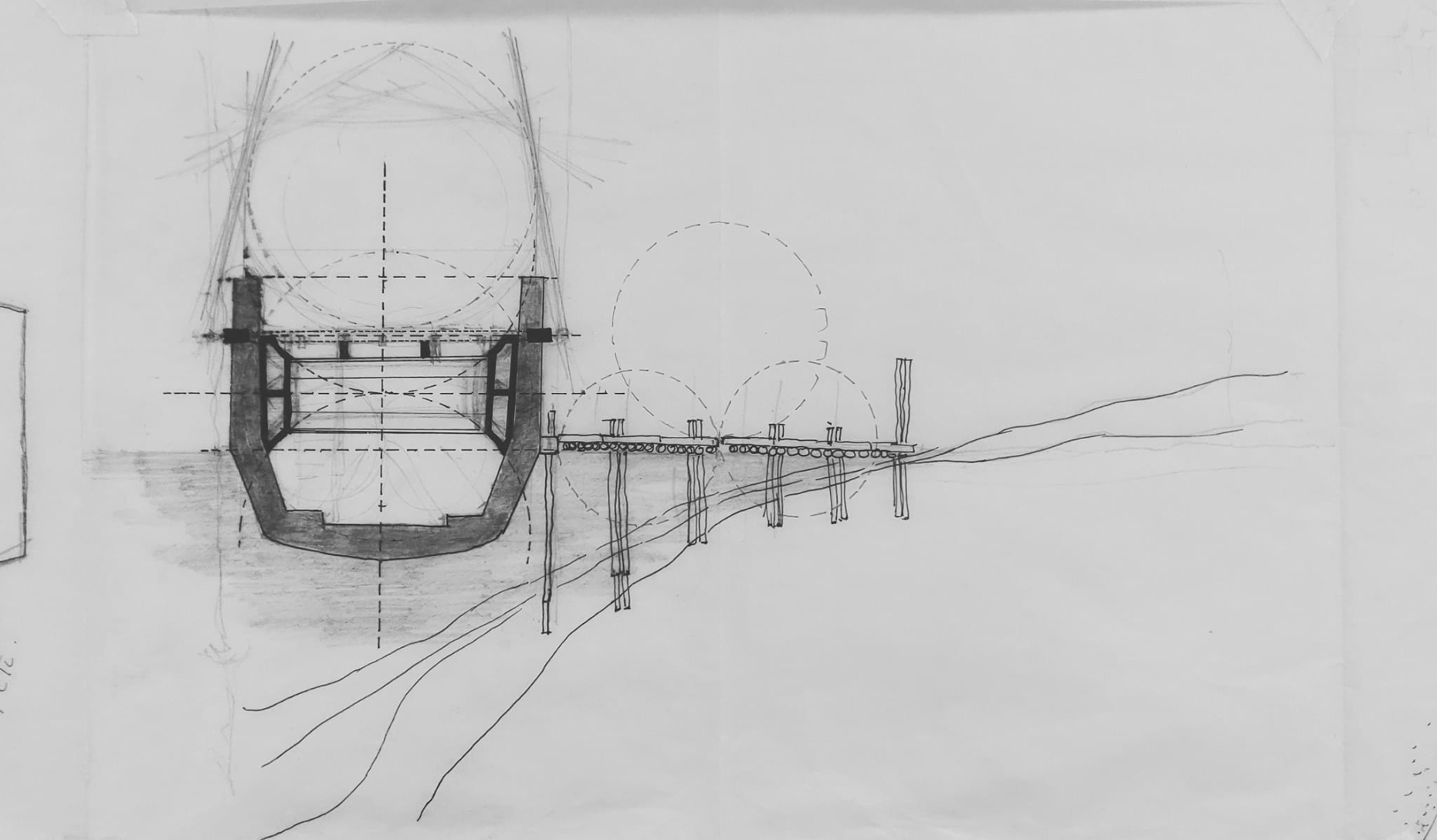
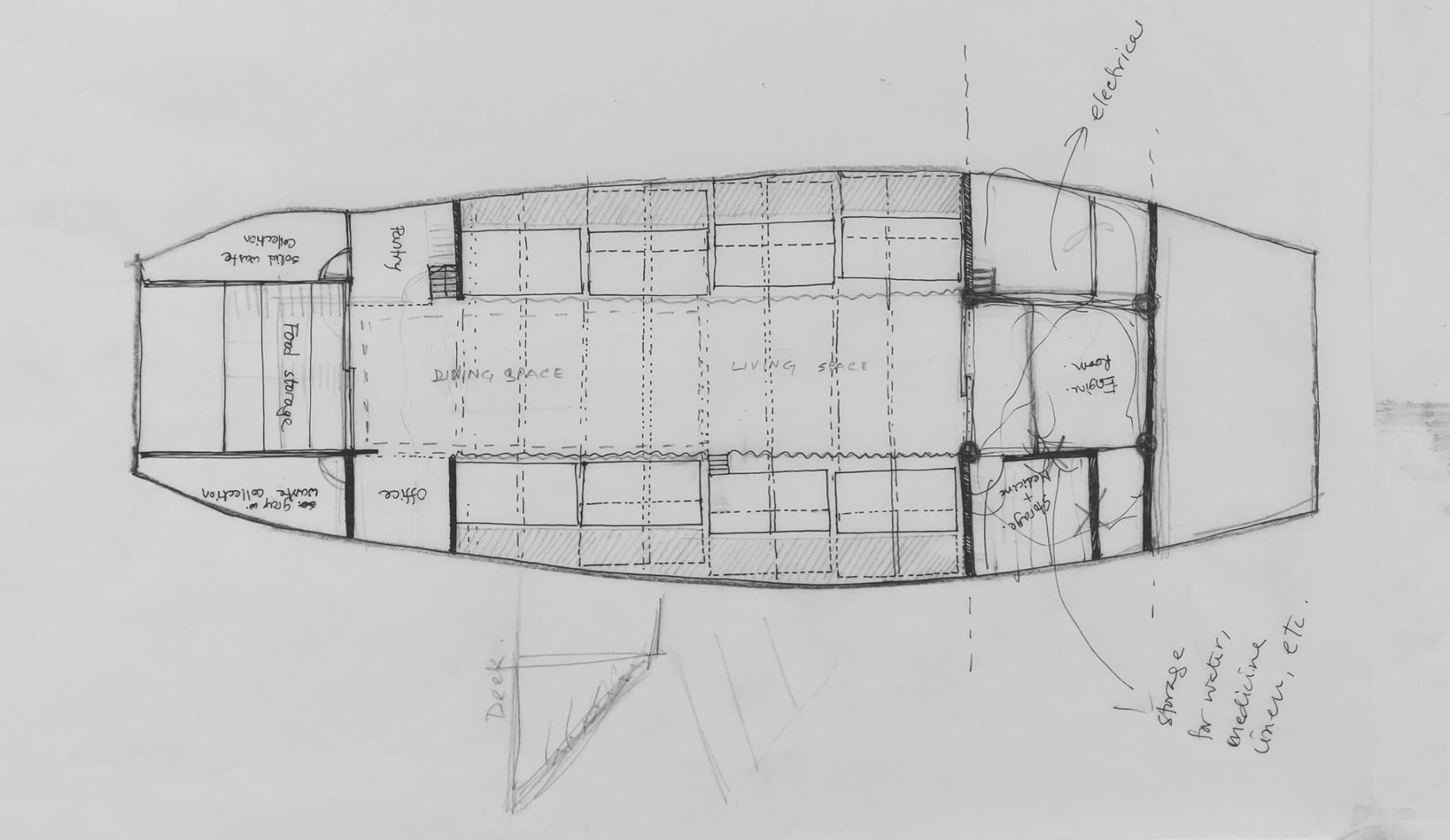
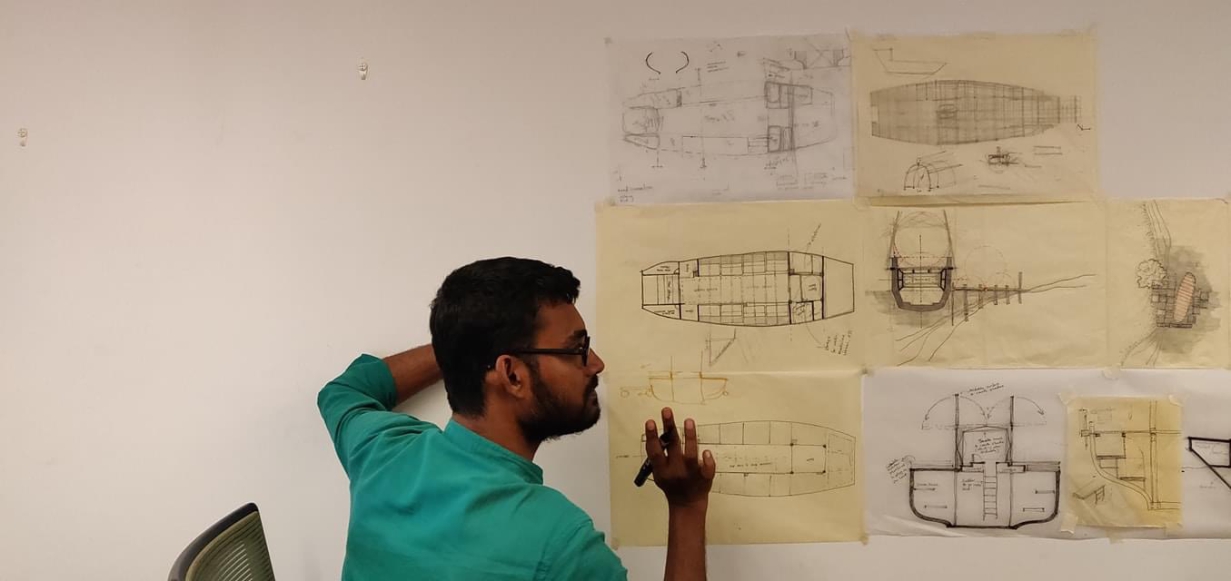
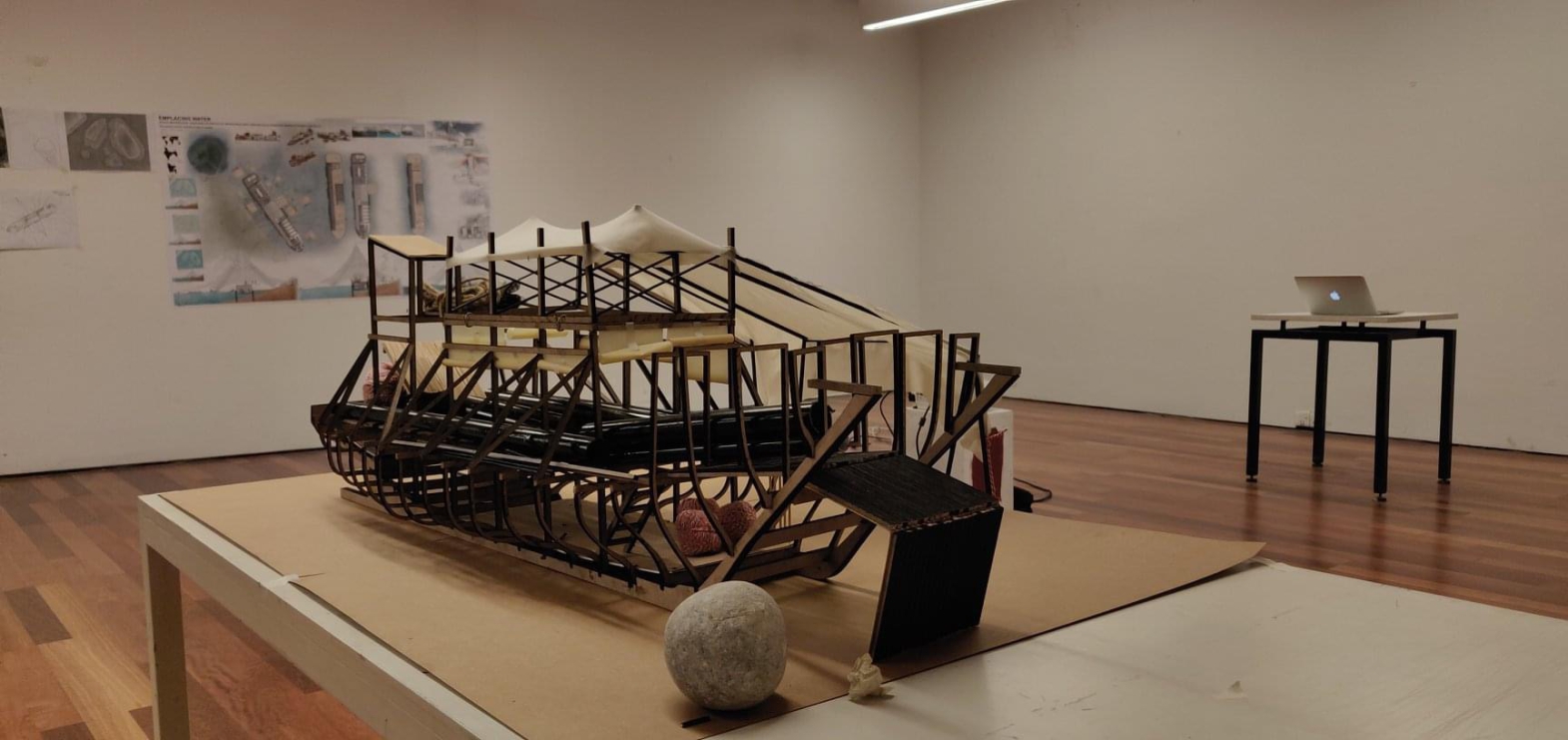
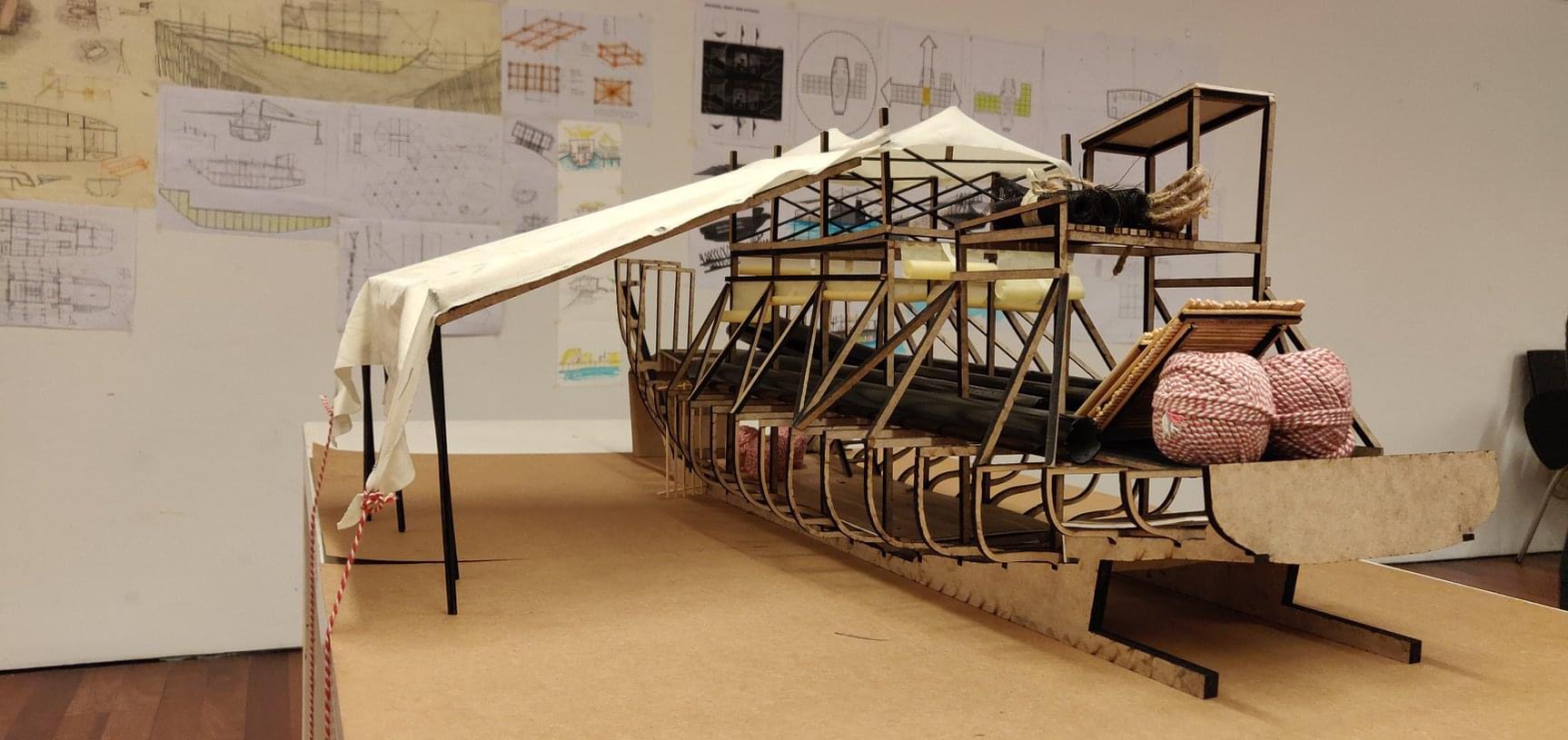
The workshop embraced the concepts of interconnectedness and diversity, emphasizing the rich interplay between land and water in delta settings. As a participant, I examined how this perspective can influence the design of vessels navigating these environments, questioning whether fluvial vessels can embody a true sense of place. Ultimately, this experience has motivated me to cultivate a deeper appreciation for the ecological, cultural, and social significance of delta waters, encouraging innovative design solutions that celebrate these unique landscapes.