2018
Landscape Urbanism
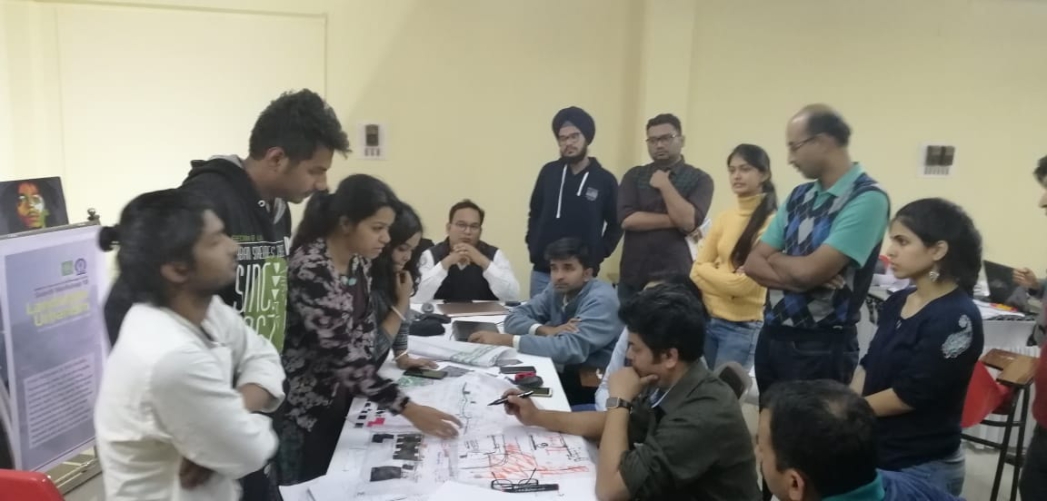
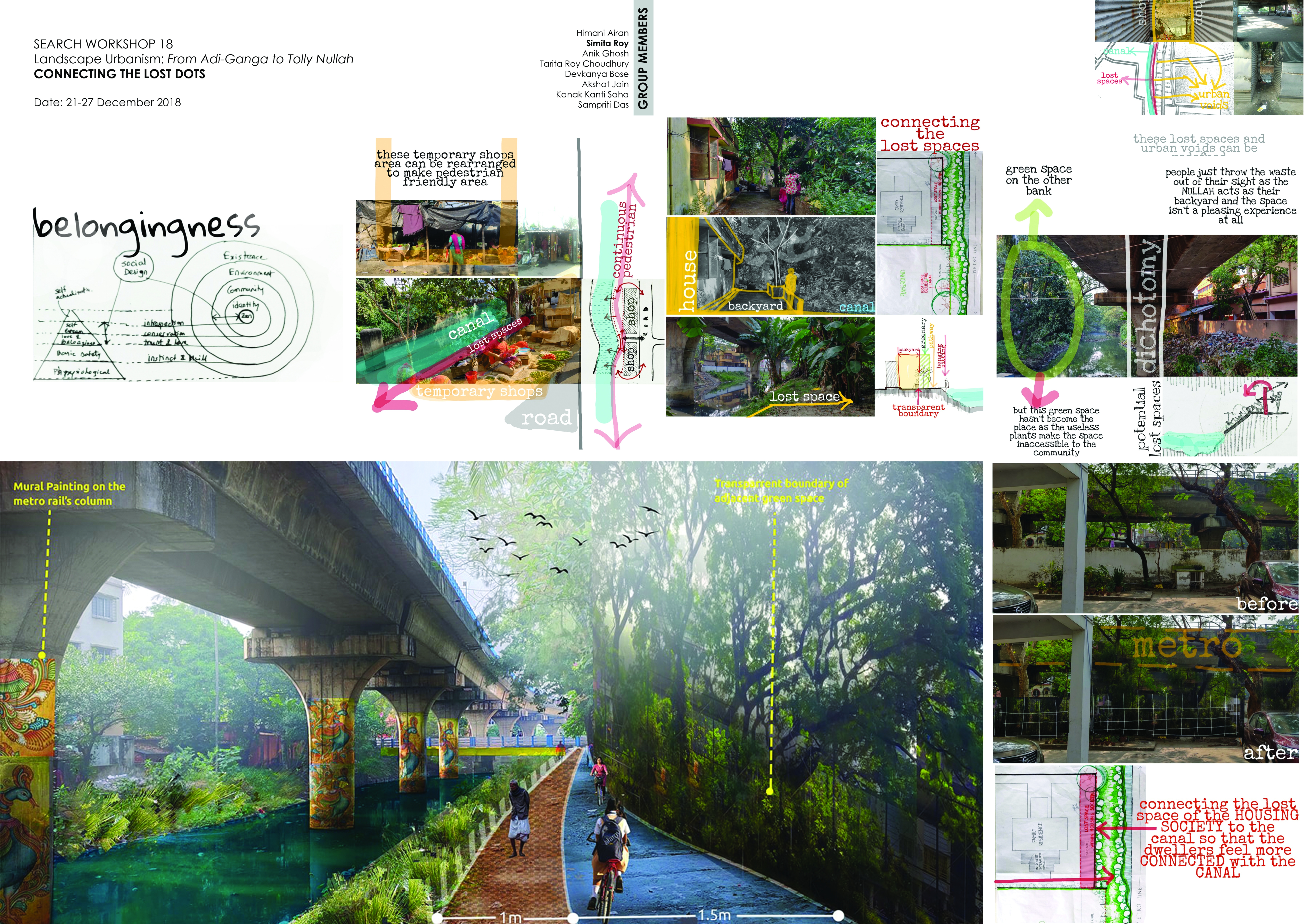
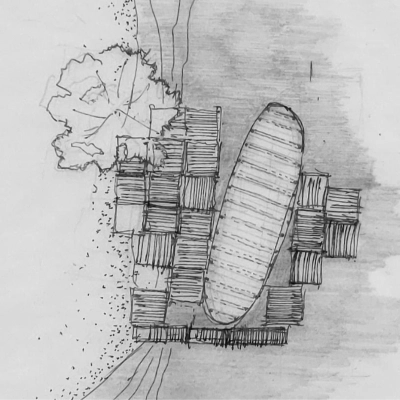
The 7-day workshop on reviving the heritage canal, Tolly’s Nullah (Adi Ganga), addressed the critical issue of restoring this vital water channel, which has long served as the backbone of the city's drainage system. Over time, unchecked urban development, landfills, and poor waste management have significantly degraded the canal, leading to environmental and infrastructural challenges. The workshop focused on creating a rejuvenation plan that integrates innovative urban planning across both physical and social dimensions, considering the temples, riverbanks, and squatter settlements that exist along the canal.
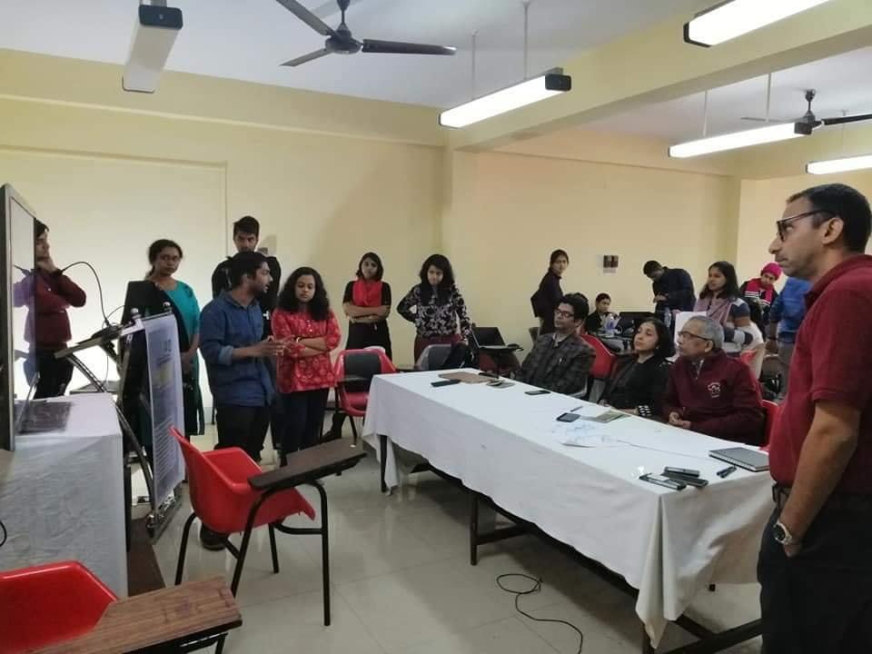
Tolly’s Nullah, like many deltaic waterways, plays a crucial role in the ecological and hydrological balance of the region. Its restoration is not merely about clearing the canal but about recognizing its function as a vital artery that supports both the natural environment and the livelihoods of the communities living along its banks. The workshop, which brought together a diverse group of participants—including government officials, urban planners, academics, environmentalists, and students from India, the USA, and Bangladesh—emphasized the canal's role as part of the larger deltaic system.
As a participant, I have examined how the Adi Ganga, a once-thriving waterway, could be reintegrated into the city’s urban fabric, ensuring sustainable livelihoods while enhancing the ecological resilience of the canal. The workshop underscored the importance of reconnecting the canal’s historical, cultural, and ecological significance, promoting a multidisciplinary approach to restoration that blends environmental conservation with social inclusion.